Alexandr Wang Sold the Shovels, Then Sold the Mine
He dropped out of MIT at 19 to build the company that labelled the internet's training data. At 28, Meta paid $14.3 billion partly to hire him.
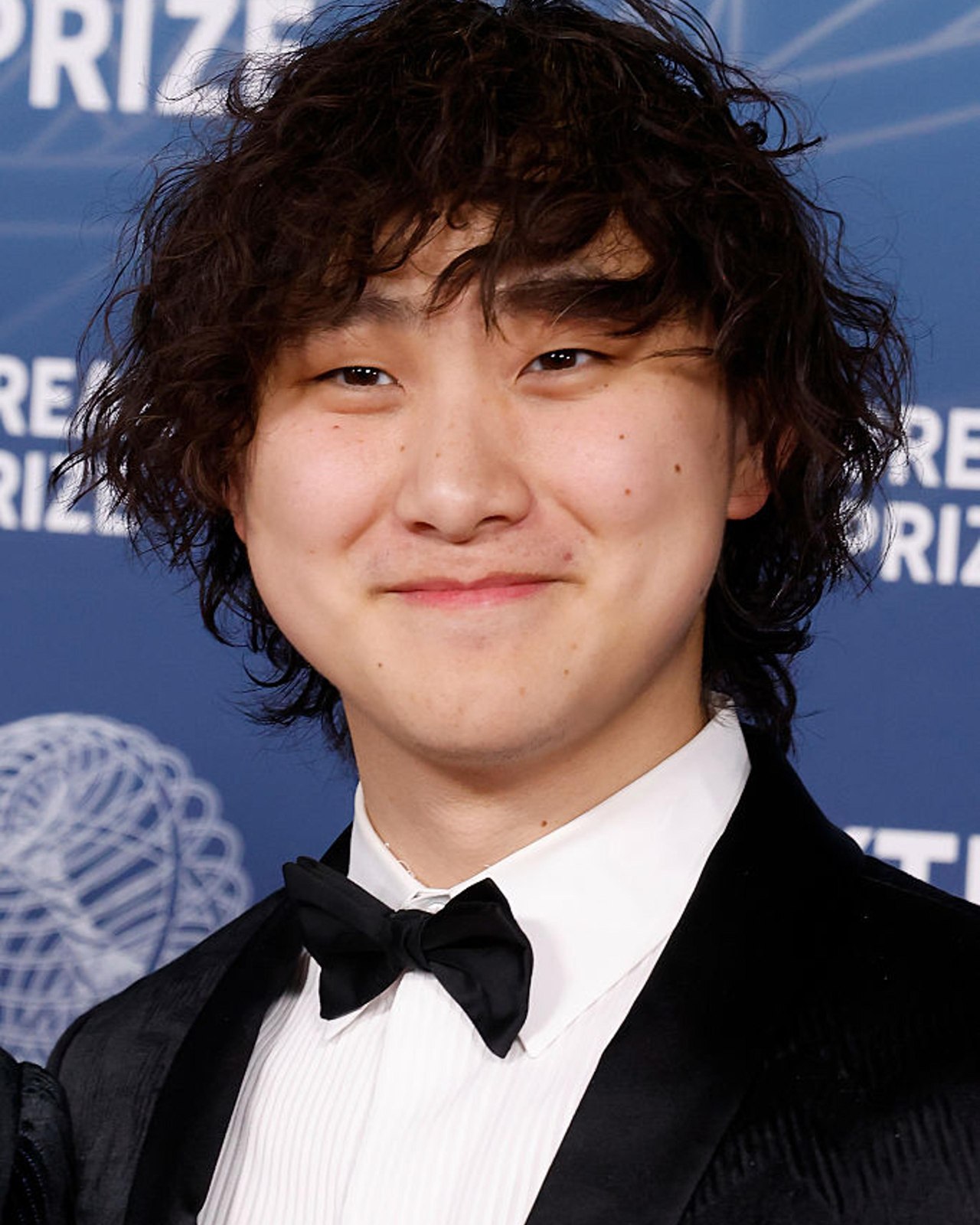
During a gold rush, the reliable business is selling shovels. Alexandr Wang built the shovel company for artificial intelligence, ran it for nine years, and then watched a buyer pay $14.3 billion for roughly half of it — largely, by several accounts, to get him.
Wang was born in Los Alamos, New Mexico, to Chinese immigrant physicists. He dropped out of MIT and co-founded Scale AI in 2016, at 19.
The unglamorous middle of the stack
Scale is not a model lab. It never was. It is the company that manufactures training data — recruiting workers around the world to label images, write examples, and clean the raw material that foundation models learn from. Through subsidiary platforms including Remotasks and Outlier, Scale built and managed the gig workforce doing that labelling at scale.
The position that created was unusual. Scale ran data labelling for OpenAI and Google before Meta bought in. While the frontier labs competed publicly, Scale was quietly supplying several of them.
That is the whole lesson of the company, and it is worth sitting with. Wang did not try to win the model race. He took a position in the supply chain every racer depended on.
The deal
In June 2025, Meta invested $14.3 billion for a 49% stake, valuing Scale at more than $29 billion. Meta took no board seat. Wang left the CEO role to lead a new unit, Meta Superintelligence Labs, alongside Nat Friedman, the former CEO of GitHub. Jason Droege, Scale's chief strategy officer, became interim CEO. Wang remained on Scale's board.
Reporting at the time framed the structure plainly: the main driver of the investment was securing Wang to lead Meta's superintelligence effort. It ranked as Meta's second-largest cash investment ever, behind the $19 billion WhatsApp acquisition. A few Scale employees moved with him.
Observers called it an expensive acqui-hire. That reading undersells it. Meta did not only buy a celebrated founder and a research team — it bought a position in the supplier that had been arming the entire model race.
What happened next
Meta's Llama 4 release in April 2025 landed flat with developers, which is part of what prompted Mark Zuckerberg to reconsider the company's approach. Two months later came the Scale investment and Wang's arrival.
The first large model built under Wang, Muse Spark, rolled out in April 2026. The design brief was different from its predecessors: rather than courting third-party developers, it was built to plug directly into Meta's own products — Facebook, Instagram, and AI-powered hardware including the Ray-Ban Meta glasses.
Whether that pays off is now a commercial question rather than a research one.
The takeaway for anyone building
Wang's career has a shape worth studying, and it is not "drop out of college."
He identified a layer of the stack that was unglamorous, operationally difficult, and structurally necessary — then made himself indispensable to everyone competing one layer above. Data labelling is not the part of AI anyone writes poems about. It is the part everyone needs.
Founders chasing the visible layer of a hot market should notice that the person who won here spent nine years underneath it.