Ben Francis Delivered Pizzas Until Gymshark Was Worth a Billion
He was 19, studying at Aston University, and sewing gym gear in his parents' garage. Eight years later he took his own company's CEO job back.
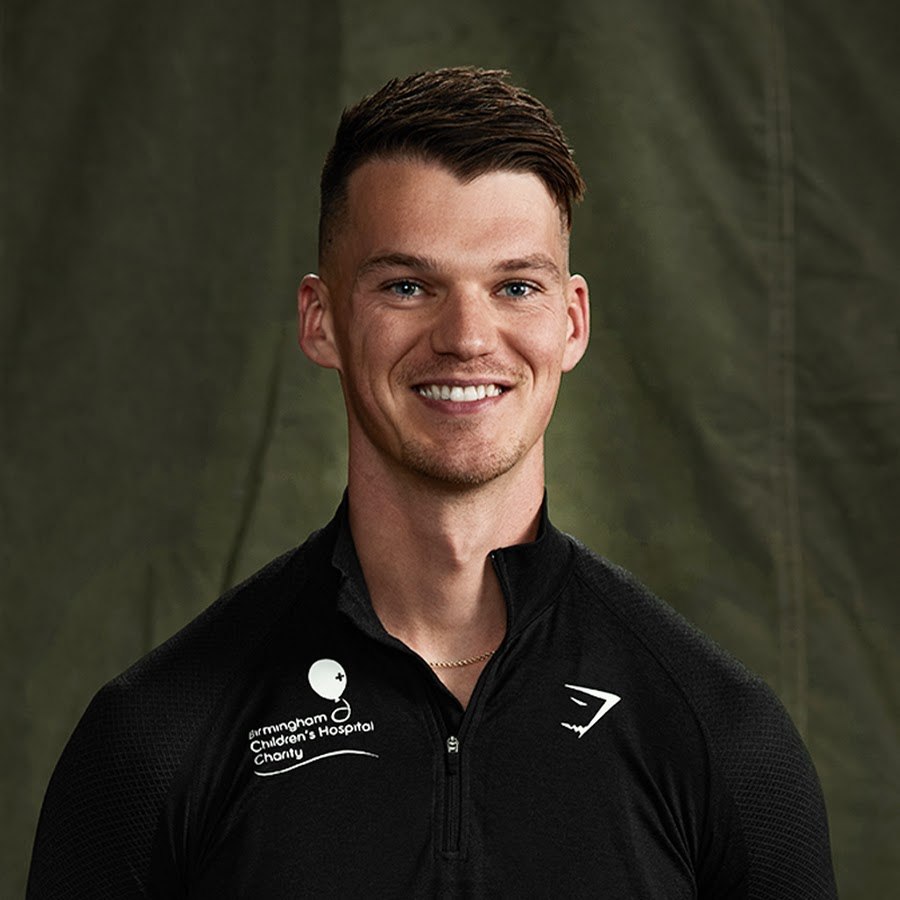
The origin story is almost too neat. In 2012, Ben Francis was 19, studying at Aston University in Birmingham by day, delivering pizzas for Pizza Hut by evening, and lifting at the gym in between. He incorporated Gymshark that July with a school friend, Lewis Morgan.
The company started out selling supplements. That did not work especially well, so Francis and Morgan pivoted to making fitness gear themselves — in his parents' garage, with a screen printer and a sewing machine.
Two apps and a screen printer
The part usually left out is that Francis could build things before he could sew them. At 18 he had already made two fitness apps. The technical fluency mattered more than it looks: Gymshark's early advantage was not its clothing, it was its distribution.
The company grew by partnering with fitness influencers on social media, paying relatively small amounts to have them wear the gear in their videos. That was years before "creator marketing" had a name or a rate card. Francis was buying attention at pre-inflation prices because he happened to be inside the community he was selling to.
He also made a series of decisions that looked reckless at the time — emptying the company account to pay for a trade show stand, dropping out of university, and turning down retail distribution deals when conventional wisdom said to sign them.
The unusual part: he gave the job away
In 2017, with the company growing fast, Francis stepped down as CEO. Steve Hewitt, a sportswear industry veteran, took over. Francis moved to Chief Brand Officer and focused on product design, creative content, and brand identity.
Founders talk about hiring people better than themselves. Very few do it at 25, voluntarily, in a company they own most of.
The strategy paid. In August 2020, Gymshark sold a 21% stake to private equity firm General Atlantic for nearly $300 million, valuing the company at $1.45 billion — making it the first UK direct-to-consumer brand to reach unicorn status with no prior external funding. Francis retained roughly 70%.
He resumed the CEO role in August 2021.
Where it stands now
Gymshark reached £556.2 million in revenue in 2023 and sells into more than 230 countries. It opened its first physical store on London's Regent Street in October 2022 and maintains an office in Denver. Francis was appointed MBE in the 2023 New Year Honours for services to business.
The current chapter is harder. Growth has slowed and profits have declined amid intensified competition and a restructuring that included job cuts. As of July 2026, Francis was reported to be negotiating to repurchase part of the stake he sold to General Atlantic in 2020 — seeking financing to regain more control of the business he started in a garage.
What to take from it
Two things, and the second is the one people miss.
The first is that Gymshark was built without outside capital for eight years. Francis funded it with pizza delivery wages and reinvested revenue, which is why he still owned most of it when the billion-dollar valuation arrived.
The second is the 2017 decision to step back. Francis has said publicly that waiting for a perfect idea is the wrong starting point — that Gymshark's products, business and strategy all changed, and what mattered was starting at all. The same logic applied to himself. He was not the right CEO for that stage, so he hired one, learned from four years beside him, and came back.
Most founders will do the opposite, and most will be wrong.